When a leaning tree becomes a real danger
Why a leaning tree demands your attention
A tree that tilts more than a few degrees from vertical can be perfectly harmless or a serious hazard. The difference lies in what caused the lean, how fast it is changing, and the overall health of the tree. Homeowners in Dallas, Georgia, deal with red clay soil, seasonal storms, and mature oaks and pines that have grown for decades. Knowing the warning signs that a leaning tree may need removal can help you make a sound decision before a storm turns a problem into an emergency.
Not every lean is dangerous. Trees naturally grow toward sunlight, and some species develop a permanent list without any structural weakness. The trouble starts when the lean is recent, increases over time, or is accompanied by visible damage. Understanding what to look for means you can call a professional at the right moment rather than after a branch or trunk has failed.
How tree lean happens and what it means
A tree stays upright by the balance between its crown and its root system. The roots anchor the tree and take up water, while the crown catches light and wind. When that balance shifts, the tree begins to lean. Common causes include soil erosion, root decay, storm damage, and heavy ice or wind loading. In some cases, construction near the tree can cut roots and leave the tree unable to hold itself up.
The angle of the lean matters less than the story behind it. A tree that has leaned since it was a sapling has likely grown reaction wood on the lower side to brace itself. That internal reinforcement makes it fairly stable. But a mature tree that suddenly develops a lean after a storm or during wet soil conditions is a different story. The root plate may have shifted, and the tree may already be partially uprooted.
One way to judge urgency is to look at the soil around the base. Fresh cracks, raised soil on one side, or a visible gap between the trunk and the ground on the opposite side suggest the root system has moved. A tree in that condition is unstable and can fall without much warning, especially in heavy rain or wind.
Warning signs that a leaning tree may need removal
Root decay and soil issues
Healthy roots hold the tree firmly. When roots begin to rot from fungal infection, soil compaction, or repeated flooding, the tree loses its grip. Signs of root decay include mushrooms or conks growing at the base, soft or crumbly wood near the ground, and a thinning canopy even in spring. If you can push the trunk and feel movement in the soil, the roots are no longer doing their job. A tree with advanced root decay and a noticeable lean is unlikely to survive a strong wind.
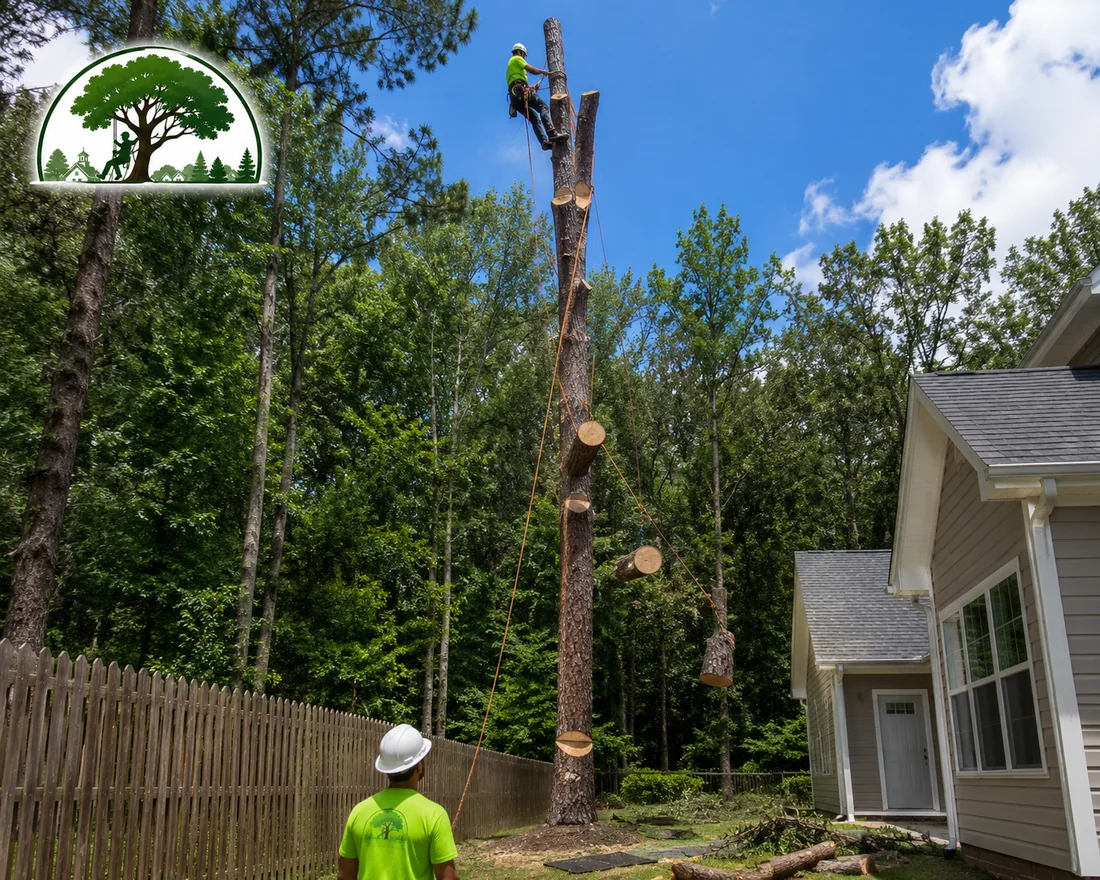
Soil erosion around the root zone can also create a lean. Heavy rain running down a slope can wash away the dirt that holds roots in place. Over time, the tree tilts as the supporting soil disappears. This kind of lean often worsens with each storm because the exposed roots have less anchorage.
Trunk cracks and structural weakness
A vertical crack that runs partway up the trunk is a serious sign. Cracks can form after a lightning strike, during a freeze-thaw cycle, or from the sheer weight of the leaning crown. A crack that goes all the way through the trunk or extends into the root flare means the tree has lost its structural integrity. Even a shallow crack on the tension side of a lean can grow wider under wind load, eventually causing the trunk to split.
Look for cracks that ooze sap or show discolored wood inside. Those indicate that the crack has been open for a while and may already be weakening the tree. A tree with a large crack and a significant lean is a prime candidate for removal.
Crown dieback and deadwood
The crown tells you about the tree’s internal health. When the top branches begin to die back, or when large sections of the crown produce few leaves, the tree is under stress. That stress can come from root problems, disease, or the physical strain of holding up a heavy lean. Deadwood in the crown is a hazard by itself, since those branches can fall at any time. Combine deadwood with a lean, and the tree becomes even more unpredictable.
If you see patches of missing bark, peeling bark, or sap bleeding from the trunk, those are additional signs that the tree is struggling. A tree that is losing its bark on the side opposite the lean may be failing under tension.
What a leaning tree means for your property
A leaning tree is not just a risk to itself. It poses a threat to anything within its reach, the target area. That includes your house, your neighbor’s house, a fence, a power line, a driveway, or a place where children or pets play. The larger the tree and the closer it is to a structure, the more urgent the situation. A tree that falls on a home can cause tens of thousands of dollars in damage and put people at risk.
Even if the tree seems stable on a calm day, a storm can change everything. Wind pushes against the crown, and a leaning tree already has its center of gravity shifted. That makes it far more likely to fail than a straight tree. If the lean points toward a building, the felling direction is already set. You do not want to wait for the wind to decide when that tree comes down.
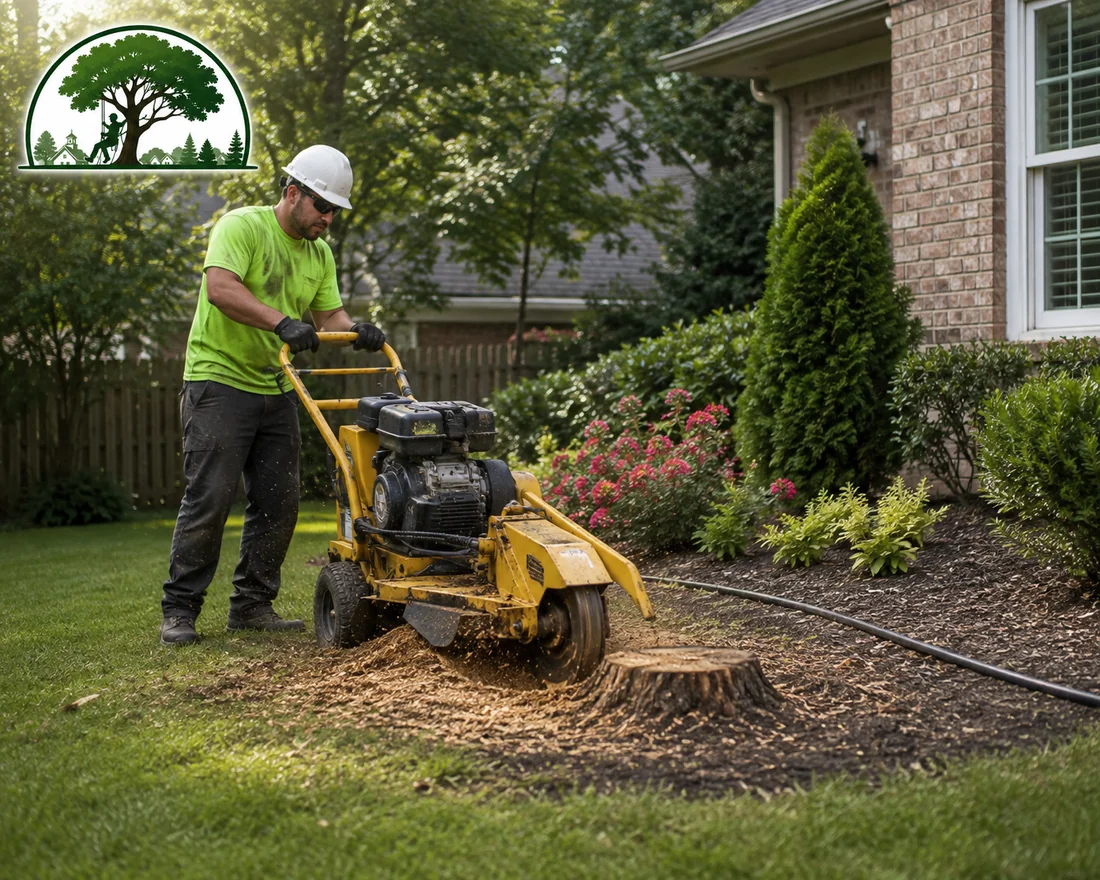
Homeowners who need help with dangerous backyard trees often find that early action is the safest and most cost-effective route. Letting a lean go unchecked can turn a manageable situation into an emergency removal, which costs more and leaves less time to plan.
How a tree removal service assesses a leaning tree
A professional arborist or a tree removal service will look at several factors before deciding whether a tree can be saved or must come down. They check the lean angle, but they also examine the root plate, the soil type, the species, and the condition of the trunk and crown. They may probe the base with a sounding mallet or use a resistograph to measure internal decay. The goal is to determine whether the tree is structurally sound or whether it poses an unacceptable risk.
In some cases, cabling or bracing can support a leaning tree if the roots and trunk are still in decent shape. But for trees with significant root decay, large trunk cracks, or a lean that has progressed beyond about 15 degrees, removal is usually the only safe option. The tree cannot be straightened, and the risk of failure only increases over time.
Removing a leaning tree is a skilled job. The tree is under tension, and the cut has to account for the lean to avoid the trunk splitting or swinging in an unexpected direction. A professional will plan the felling direction carefully to keep people and property out of harm’s way. That is not a job for a homeowner with a chainsaw.
What you can do while you decide
If you spot a lean and you are not sure how serious it is, start by watching the tree over a few weeks. Mark the soil line at the base with a stake and check whether the gap widens after a rain or wind event. Look for new cracks, mushrooms, or changes in the canopy. If the lean gets worse, act quickly.
Keep people and vehicles away from the target area. Do not park under the tree, and do not let children play near it. If the tree is close to your house, consider moving outdoor furniture and other items out of the way. These steps buy you time, but they are not a substitute for a professional evaluation.
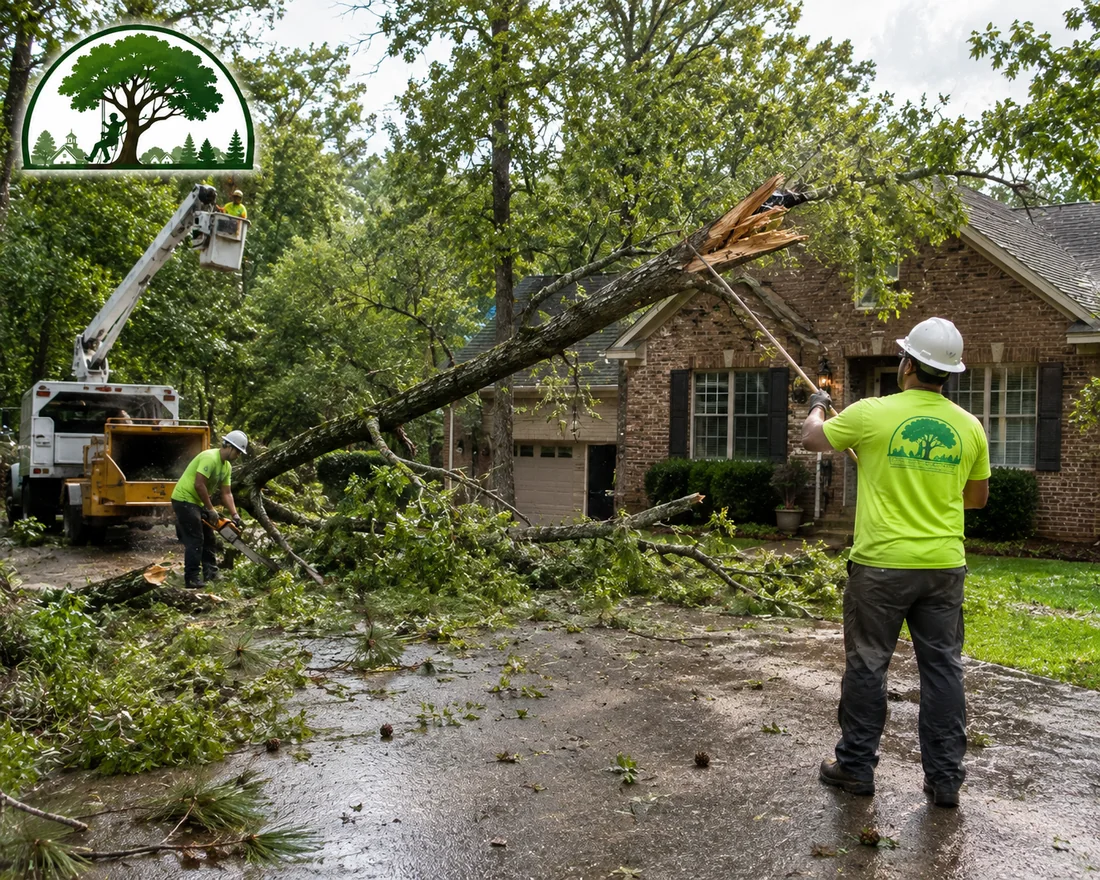
Homeowners who need help with dangerous backyard trees should contact a qualified tree care service for an on-site assessment. A professional can tell you whether the tree is likely to fail soon, whether it can be pruned to reduce the load, or whether complete removal is the best choice. Acting early gives you control over the outcome and avoids the surprise of a tree coming down in the middle of the night during a storm.
Making the call
A leaning tree is not always an emergency, but it deserves a close look. Root decay, trunk cracks, crown dieback, and a lean that is getting worse all point to the same conclusion: the tree is becoming unsafe. When those signs are present, removal is the responsible choice for your safety and your property. Waiting too long can turn a manageable problem into a costly, dangerous event.
For Dallas-area homeowners, the combination of heavy clay soil, summer storms, and mature trees means that leaning trees are not rare. Knowing what to watch for and when to call a professional can make all the difference. A tree removal service can handle the assessment and the work, so you do not have to guess whether that tilt is a problem or just a quirk of growth.